
Water Stain on Ceiling?
5 Common Causes and How to Find the Source
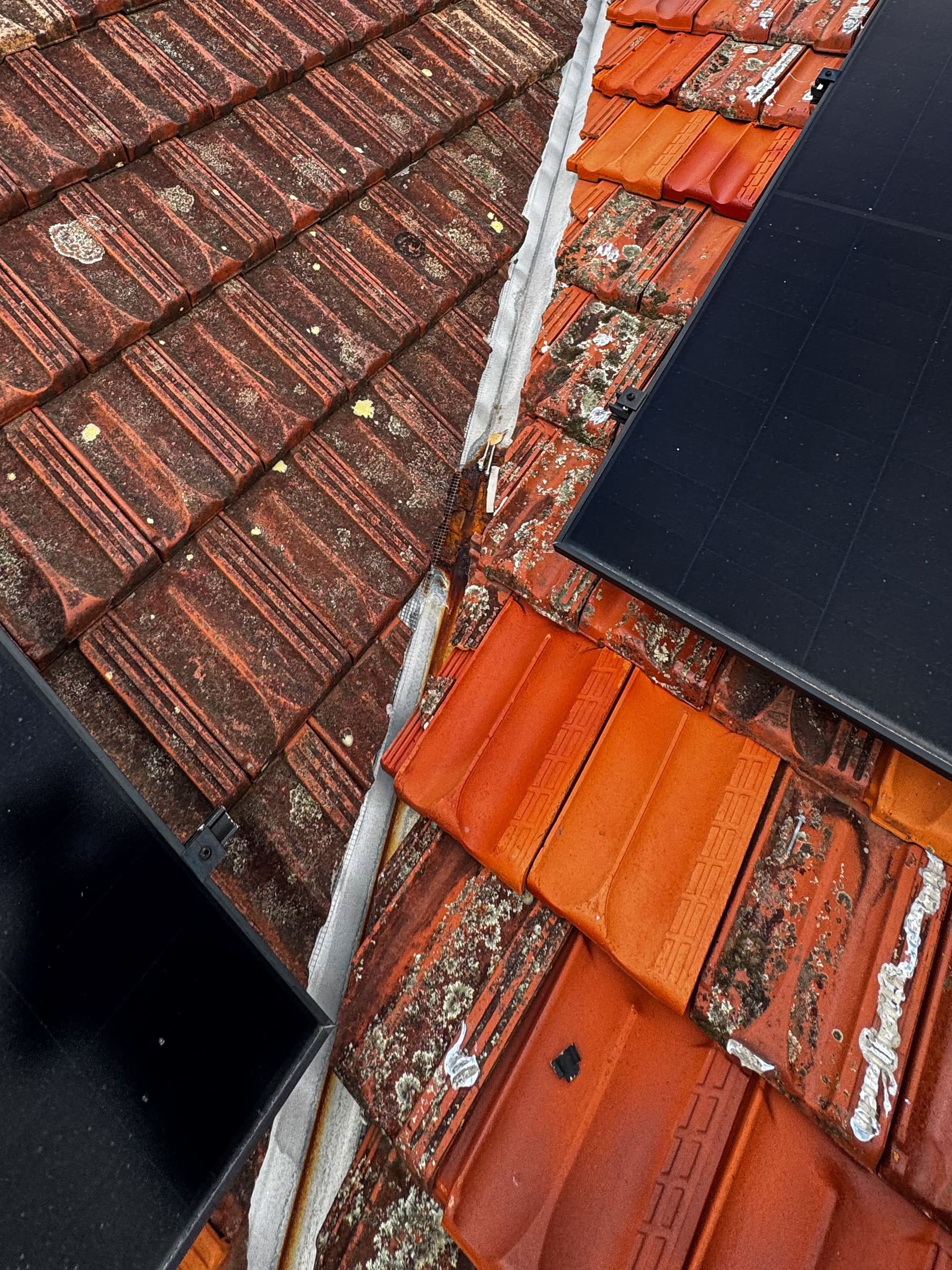
A brown or yellow mark on the ceiling is easy to dismiss as a cosmetic problem, but it usually means moisture has reached the plasterboard at some point. The harder part is working out where that moisture came from.
For Sydney homeowners, a ceiling stain may be linked to a roof leak, overflowing roof drainage, plumbing, air-conditioning drainage or condensation inside the roof space. The stain itself does not identify the source. Timing, location, roof condition and what sits above the affected room are much more useful clues.
The safest approach is to diagnose the cause before repairing or repainting the ceiling.
QUICK ANSWER
A ceiling water stain means moisture has reached the ceiling, but it does not identify the source. Common causes include roof leaks, plumbing leaks, condensation and roof-drainage problems. When the stain appears, where it sits and what is above it can help narrow the cause.
1. What Causes a Water Stain on Ceiling?
A ceiling water stain means moisture has reached the ceiling, but common causes include roof leaks, plumbing leaks, condensation and roof-drainage problems. The timing and moisture pattern help narrow the source.
Start with when the mark appears. If it becomes darker, larger or wet during or shortly after rain, the roof or roof-drainage system deserves attention. If it grows during dry weather or after using a bathroom, laundry or plumbing fixture above the area, an internal water source may be more likely.
Condensation is another possibility. Australian Government YourHome guidance explains that condensation risk is influenced by moisture moving through the building and reaching sufficiently cold surfaces. Bathrooms, kitchens and laundries can contribute substantial indoor moisture, particularly if mechanical exhaust is not properly discharged outdoors.
An old stain can also remain visible after the original moisture problem has stopped. Colour alone cannot tell you whether water is still entering. Fresh dampness, spreading staining, bubbling paint or new dripping are more useful signs of active or recent moisture.
Supporting guidance: YourHome Condensation Guidance
| What You Notice | What It May Suggest |
|---|---|
| Stain appears or worsens after rain | Roof, flashing, gutter or drainage issue |
| Stain grows during dry weather | Plumbing, condensation or another internal source |
| Stain changes after using a bathroom or laundry | Plumbing or internal moisture should be investigated |
| Droplets or widespread dampness in the roof space | Condensation may be involved |
| Localised top-floor stain after storms | Roof-related water entry becomes more likely |
| Bubbling paint, soft plaster or fresh dripping | Active or recent moisture |
2. Why Does a Ceiling Stain Appear After Rain?
A ceiling stain that repeatedly appears during or after rain makes external water entry more likely, especially when roof space sits directly above it. The actual defect, however, may be somewhere else.
Roof-related causes can include cracked or displaced tiles, damaged roof sheets, deteriorated flashing, valleys, ridge areas, skylights, vents, penetrations, screws and other vulnerable roof junctions.
Gutters and downpipes also matter. If water cannot leave the roof correctly, blocked or damaged drainage can cause overflow around fascia, eaves and roof edges. Magic Gutter’s gutter-repair guidance notes that water staining on ceilings can indicate a gutter system that is no longer directing water correctly.
Wind-driven rain can reveal weaknesses that stay dry during lighter rainfall. If the same stain repeatedly darkens during storms, recording when and under what weather conditions it happens can help during an inspection.
Roof covering
- Cracked, displaced or deteriorated tiles and damaged roof sheets can allow rainfall past the weatherproof layer.
Flashing & penetrations
- Skylights, vents, pipes, walls and other roof penetrations rely on correctly detailed flashing to direct water away.
Valleys
- Valleys carry concentrated roof runoff. Debris, deterioration or poor drainage can expose surrounding areas to water.
Gutters & downpipes
- Blocked, damaged or poorly performing gutters and downpipes can cause overflow around fascia, eaves and roof edges.
Wind-driven rain
- Storms can push water towards vulnerable laps, junctions and penetrations that may remain dry during lighter rainfall.
Magic Gutter’s current roof-inspection process checks roof coverings, ridge capping, tiles, gutters, valleys, flashings, screws, skylights, vents and drainage points rather than judging a water problem from the internal stain alone.
That wider inspection matters because the roof works as a water-management system, not as a collection of unrelated parts.
Learn more about professional roof repairs in Sydney.
3. Why Isn't the Roof Leak Directly Above the Ceiling Stain?
A ceiling stain shows where moisture became visible, not necessarily where water entered. Water can travel along roof framing, battens, sarking and other surfaces before finally reaching the plasterboard.
Rainwater entering beside damaged flashing, a roof penetration or another defect does not always drop vertically onto the ceiling immediately below it. It can follow the roof structure until gravity, a joint or another surface allows it to collect and drip somewhere else.
That means the visible stain may be some distance from the original problem.
This is why applying sealant only to the roof directly above an internal mark can fail to solve the issue. A proper assessment should follow the likely water path and inspect nearby junctions and roof components.
On tiled roofing, that may mean checking surrounding tiles, valleys, ridge and hip areas, flashing and penetrations. On metal roofing, screws, sheet laps, flashing, penetrations and junctions may require assessment.
The ceiling tells you where the moisture ended up. It does not necessarily tell you where the problem started.
4. Can Condensation Cause Water Stains on a Ceiling?
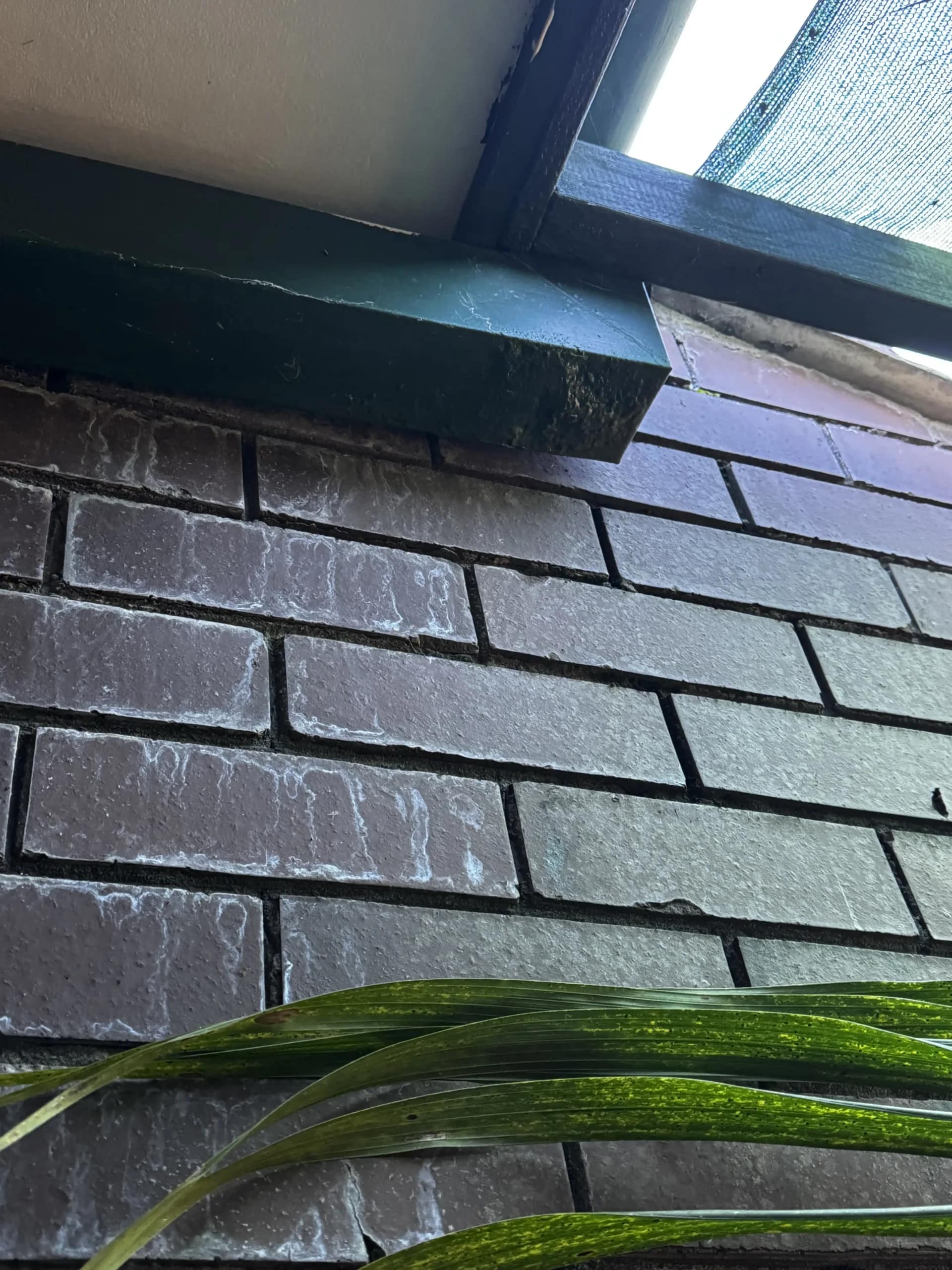
Yes. Condensation can create ceiling or roof-space moisture without rain entering through a roof defect. It develops when humid air reaches a sufficiently cold surface and changes into liquid water.
Australian Government YourHome guidance confirms that roof assemblies need to manage moisture and condensation appropriately and that ventilation, insulation, vapour control and internally generated moisture can all affect condensation risk.
Bathrooms, laundries and kitchens are particularly relevant because they generate considerable moisture. YourHome recommends that mechanical extractor fans discharge outside rather than into roof spaces or other building cavities. Exhausting humid air into a roof cavity can increase the moisture load and condensation risk.
Condensation may become more likely when moisture develops without rain, droplets are visible beneath roofing, dampness extends across a broader roof-space area, insulation is damp or indoor humidity is high.
Supporting guidance: YourHome Condensation Guidance & Ventilation and Airtightness Guidance.
IMPORTANT DIAGNOSTIC POINT
Finding condensation does not automatically prove the roof is leak-free.
A property can have condensation and a separate roof defect at the same time. Diagnosis should consider both the external roofing system and the internal moisture environment before deciding what needs to be repaired.
5. What Should You Do When You Find a Ceiling Water Stain?
Determine whether the stain is active, record when it changes and identify what sits above it. If moisture repeatedly follows rain, professional roof and drainage inspection may be appropriate.
Do not simply paint over the stain before understanding why it appeared. A dry mark may be old, while bubbling paint, soft plaster, expanding staining or fresh dripping can indicate recent or ongoing moisture.
If a ceiling is badly swollen, sagging or actively releasing water, keep people away from the affected area and arrange appropriate professional assistance.
Avoid climbing onto a wet, steep or unfamiliar roof to investigate a ceiling mark yourself. SafeWork NSW identifies falls from roofs as a serious hazard and recommends roof-condition assessment and appropriate fall controls before roof access.
If the stain repeatedly appears after rain, sits below roof space or occurs alongside visible roof, flashing, gutter or drainage deterioration, a roof inspection can help determine whether the external roofing system is contributing to the problem.
Supporting guidance: SafeWork NSW guidance.
When Is a Roof Inspection the Right Next Step?
Arrange a roof inspection when ceiling moisture is new, recurring after rain, increasing, associated with visible roof deterioration, or when the source cannot be confidently identified from inside the home.
A useful assessment should answer three questions: Is external water entering the building? Where is the likely entry point? If the roof remains weatherproof, could plumbing, air-conditioning drainage or condensation be producing the symptom instead?
Replacing a tile will not solve moisture caused by condensation, and improving ventilation will not repair failed flashing. The repair should follow the diagnosis.
ROOF ACCESS SAFETY
Do not climb onto a wet, steep or unfamiliar roof simply to investigate a ceiling mark.
Roof condition, height, access and appropriate fall-prevention measures need to be considered before roof work begins. A professional inspection is the safer option where access is uncertain.
Water Stain & Roof Leak Diagnosis in Sydney
A ceiling stain is evidence of moisture, but it is not a complete diagnosis.
The source could be a damaged tile, deteriorated flashing, roof penetration, valley, metal-roof component, gutter or drainage problem. It could also be plumbing, air-conditioning drainage or condensation developing within the roof space.
Magic Gutter provides roof inspections and roof repair services across Sydney. Our team checks roof coverings, ridge capping, tiles, valleys, flashings, screws, skylights, vents, gutters and drainage areas to help identify possible sources of external water entry.
If the evidence instead points towards plumbing, air-conditioning drainage or internal condensation, the correct next step may involve another trade or building professional rather than unnecessary roof work.
A ceiling stain is a symptom. The priority is finding the cause first and choosing the repair second.
Water Stain Appearing on Your Ceiling After Rain?
Magic Gutter can inspect the roof, flashing, valleys, gutters and drainage system to help determine whether external water entry is contributing to the problem.
Request a free roof inspection and quote across Sydney.
Magic Gutter — Sydney Roof & Gutter Specialists
MAGIC GUTTER
TRUSTED BY MULTIPLE SYDNEY HOMEOWNERS
Posted on Google
 khalid Muhammad
 Installed bird proofing mesh on my solar panels and provided me with photos and report of the roof.Very happy with the outcome and were flexible with the time although I was at work but they came and finish the job and later sent me invoice and report. One stop shop for all your roof work requirements and I will soon book them up again for gutters cleaningPosted on Google
 Jack BrownHad a roof check, solar and gutter clean done wor was prompt and comprehensive would recommendPosted on Google
 Mohammad ShibleeGreat service, happy to do business with Magic Gutter again.Posted on Google
 kalpesh golaniBeer best service by Arthur and his teamPosted on Google
 Lucas LopesBest service in Sydney! Quick, friendly and with a really reasonable price! I would recommend without think twice! My windows, solar panels and gutters never looked so clean! I’m really happy with the job that Arthur and his crew did!!Posted on Google
 Vinicius martinsGreat Service, they came out to my property done a excellent job cleaning my gutters, birding net and fixing all my roof.. No more leaks thanks to magic guttersPosted on Google
 Chris JGreat service and very knowledgeable team. They really are roof experts. We had bird nesting under our solar panels, and Magic Gutter removed the nests, thoroughly cleaned and treated underneath the panels, and installed the bird-proofing mesh safely. Professional work, fair price and great communication from start to finish. Very happy with the result and highly recommend Magic Gutter.Posted on Google
 ivy lingArthur and his crew were efficient and easy to deal with. Happy with the solar mesh installation and roof report.Posted on Google
 George HaritsosThe magic gutter guys were great.After cleaning the gutters they cleaned the bird rubbish and nests from under the panels,washed the panels and put mesh all around the sides they really did a good job would recommend.Posted on Google
 Martin YousifGreat service, excellent job and very professional. Highly recommend!
Speak with a professional!
Reach out now →
Speak with a professional!
Reach out now
↓
Frequently Asked Questions
Is soft wash roof cleaning safer than pressure washing?
For many roof-maintenance situations, it can be gentler because it uses less mechanical water pressure. Suitability still depends on the roof material, condition and cleaning treatment.
Can soft washing damage a roof?
Yes. Incorrect chemical selection, concentration, application or rinsing can damage some materials and finishes even when low water pressure is used.
Can you pressure wash roof tiles?
Controlled pressure cleaning can be appropriate for some suitable roofs, particularly during restoration preparation. It should not automatically be applied to every tiled roof.
Can you pressure wash an asbestos roof?
No. SafeWork NSW states that high-pressure water must never be used on asbestos-containing roofing or other asbestos-containing materials.
What other areas can be professionally cleaned around a property?
Depending on the surface, professional cleaning can include exterior walls, roofline areas, driveways, paths, patios, gutters, solar panels, windows and skylights using surface-appropriate methods.
Do I Need To Be Home During Any Service?
Magic Gutter offers the convenience of roofing services without requiring you to be present at home. Since your roof is separated from the interior of your home, it is unnecessary for us to get in there for any job. As long as we have access through the unlocked side gate and a designated green bin for debris disposal, we can handle the entire process without your presence.
Are you fully insured?
Yes, Magic Gutter is fully insured with public liability insurance so you can have peace of mind knowing you’re covered when our gutter cleaning sydney employees are at work on your residence.
What payment methods do you offer?
We accept cash, EFTPOS and credit card payments with VISA, Mastercard or Bank transfer. We do not accept buy now, pay later or services like Afterpay
Will you clean up your mess?
Certainly, our policy is to ensure that your property is left in as good, if not better, condition than we found it. We take care to remove any accumulated debris from the site, leaving your grounds tidy and well-maintained.
How Can I Schedule A Gutter Cleaning Service With Magic Gutter?
To schedule a gutter cleaning sydney service with Magic Gutter, you can contact us by phone: 0488 850 865 or email: info@magicgutter.com.au — and request a free quote. We will work with you to find a convenient time & provide instructions on how to prepare for the service.
Please reach us at info@magicgutter.com.au if you could not find an answer to your question.