
Bird Proofing Sydney: The Hidden Dangers of Birds Nesting in Your Roof
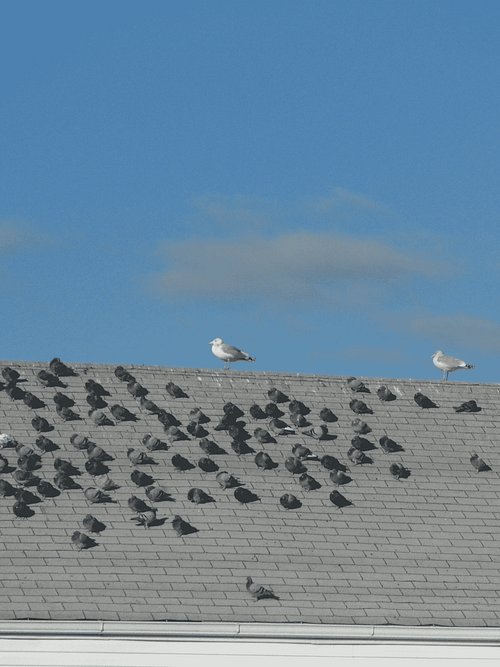
Bird nests can damage property, create health concerns, attract pests, corrode surfaces and increase fire risks around your home.
Birds nesting around your property may initially seem harmless or even charming. However, nests built in gutters, roof valleys, vents, chimneys or beneath solar panels can create serious problems when left untreated.
The level of risk depends largely on the nesting location. Addressing bird activity early can help prevent recurring contamination, expensive repairs and avoidable damage to important parts of your home.
1. Property Damage
How Can Birds Cause Property Damage?
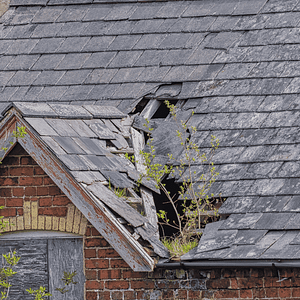
Bird nests can block gutters and roof valleys, causing water overflow, leaks and damage to roofing, walls and timber structures.
Pests commonly build nests using twigs, leaves, grass and feathers. When these materials accumulate inside gutters or roof valleys, they can restrict the natural flow of rainwater.
Blocked water may overflow onto exterior walls, collect behind fascia boards or move beneath roofing materials. Over time, this can lead to roof leaks, stained ceilings, damaged insulation, deteriorating timber and weakened gutter systems.
Nesting beneath solar panels can also create problems around mounting points, cables and roof penetrations. Removing the visible nest alone may not be enough—the surrounding roof, gutters and downpipes should also be inspected for debris and existing damage.
2. Health Hazards
What Health Hazards Can Bird Nests Create?
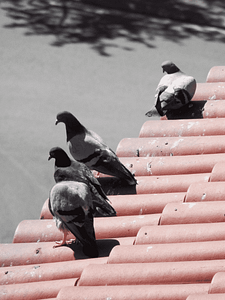
Bird droppings and nesting debris may contain pathogens, fungi and parasites that can affect people and pets when disturbed.
Bird residues are more than an appearance problem. Accumulated waste can contaminate roofs, patios, balconies, ventilation openings and other areas frequently used by homeowners.
When dried droppings or old nesting materials are disturbed, they may break into fine airborne particles. Nests can also contain bird mites, fleas and lice, which may move into nearby roof cavities, windows or living spaces after birds leave.
Large accumulations should be removed carefully using suitable protective equipment and cleaning methods that minimise dust. Extra care is needed when contamination is close to ventilation systems, water collection points or outdoor family areas.
3. Attraction of Pests
How Do Bird Nests Attract Other Pests?
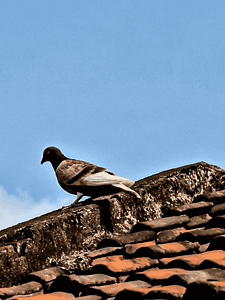
Bird nests provide shelter, food and organic debris that can attract insects, rodents and other unwanted pests to your property
Twigs, feathers, droppings and leftover food create favourable conditions for ants, flies, beetles and other insects. Rodents may also be attracted to bird seed, eggs or the sheltered space surrounding a nest.
Once rats or mice reach the roof, they may enter the property through damaged tiles, open eaves, vents or gaps around flashing. A small bird-nesting problem can therefore develop into a broader pest issue inside the home.
Removing nesting materials and blocking the original entry point can reduce the conditions that encourage both birds and other pests to return.
4. Corrosion and Staining
How Do Birds Cause Corrosion and Staining?

Bird droppings can stain and corrode roofs, gutters and solar panels while reducing solar performance when surfaces remain covered.
Bird droppings can leave persistent marks on roof tiles, metal roofing, gutters, exterior walls, patios, windows and vehicles. When contamination remains on a surface, moisture and waste may contribute to coating deterioration and corrosion.
Solar panels are especially vulnerable because accumulated droppings can block sunlight from reaching parts of the panel surface. Birds nesting underneath panels may also place debris around cables, brackets and roof penetrations.
Professional solar panel cleaning and properly installed bird-proofing mesh can help protect the area. The space beneath the panels should always be inspected and cleaned before a barrier is fitted.
5. Fire Hazards
Can Bird Nests Become Fire Hazards?
Dry bird nests near chimneys, vents, electrical wiring or heat sources can restrict airflow, cause overheating and increase fire risk
Birds often construct nests from dry grass, leaves, feathers and twigs. These materials may become hazardous when placed close to electrical cables, lighting, heating equipment or active chimneys.
A nest built inside a vent can obstruct airflow and prevent heat from escaping correctly. Nesting debris near damaged wiring may also increase the danger associated with an electrical fault.
Not every bird nest presents an immediate fire emergency. However, nests located near electricity, heat sources, solar panel wiring or ventilation systems should be professionally inspected rather than ignored.
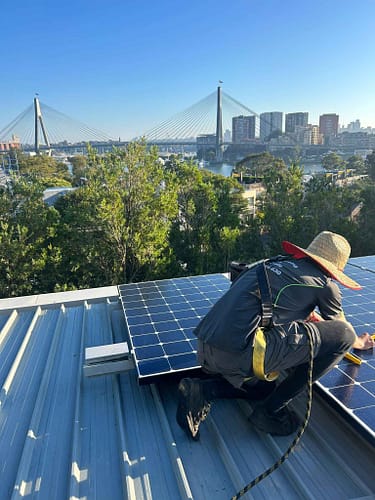
How to Protect Your Home from Bird Nesting - Conclusion
Professional bird proofing and regular roof maintenance help prevent repeat nesting while protecting gutters, roofing and solar equipment.
The most effective approach is to remove existing nesting debris, clean the affected area and stop birds from accessing the same location again.
Depending on the property, suitable solutions may include solar panel mesh, bird netting, vent guards, gutter protection or the sealing of roof entry points. Every barrier should be humane, properly fitted and designed not to interfere with ventilation or drainage.
Magic Gutter provides professional bird-proofing installation, gutter cleaning, roof inspections and solar panel protection across Sydney and surrounding areas.
Taking action early can help protect your home from water damage, contamination, pest activity, corrosion and recurring nesting problems.