
Why Are There Plants In My Gutters?
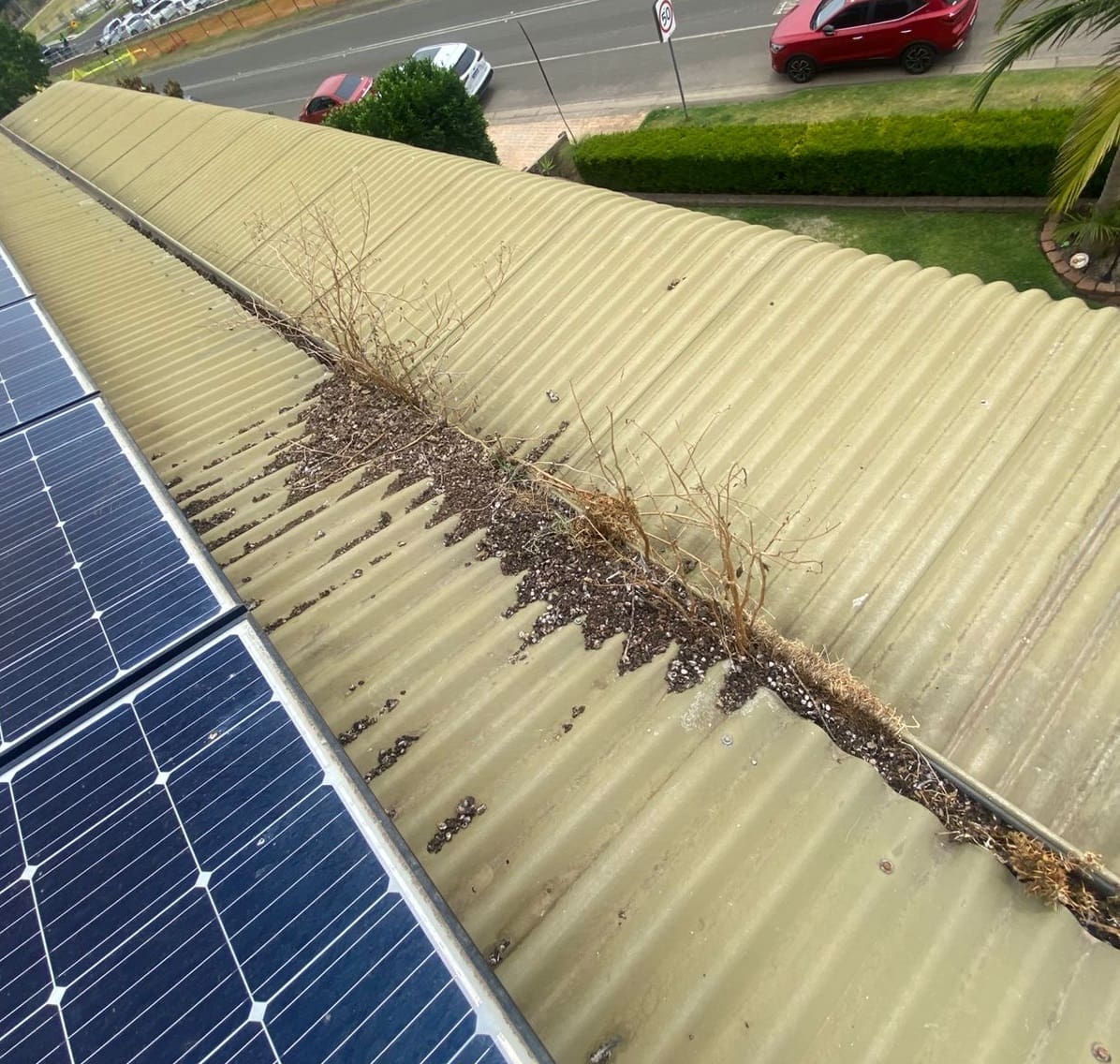
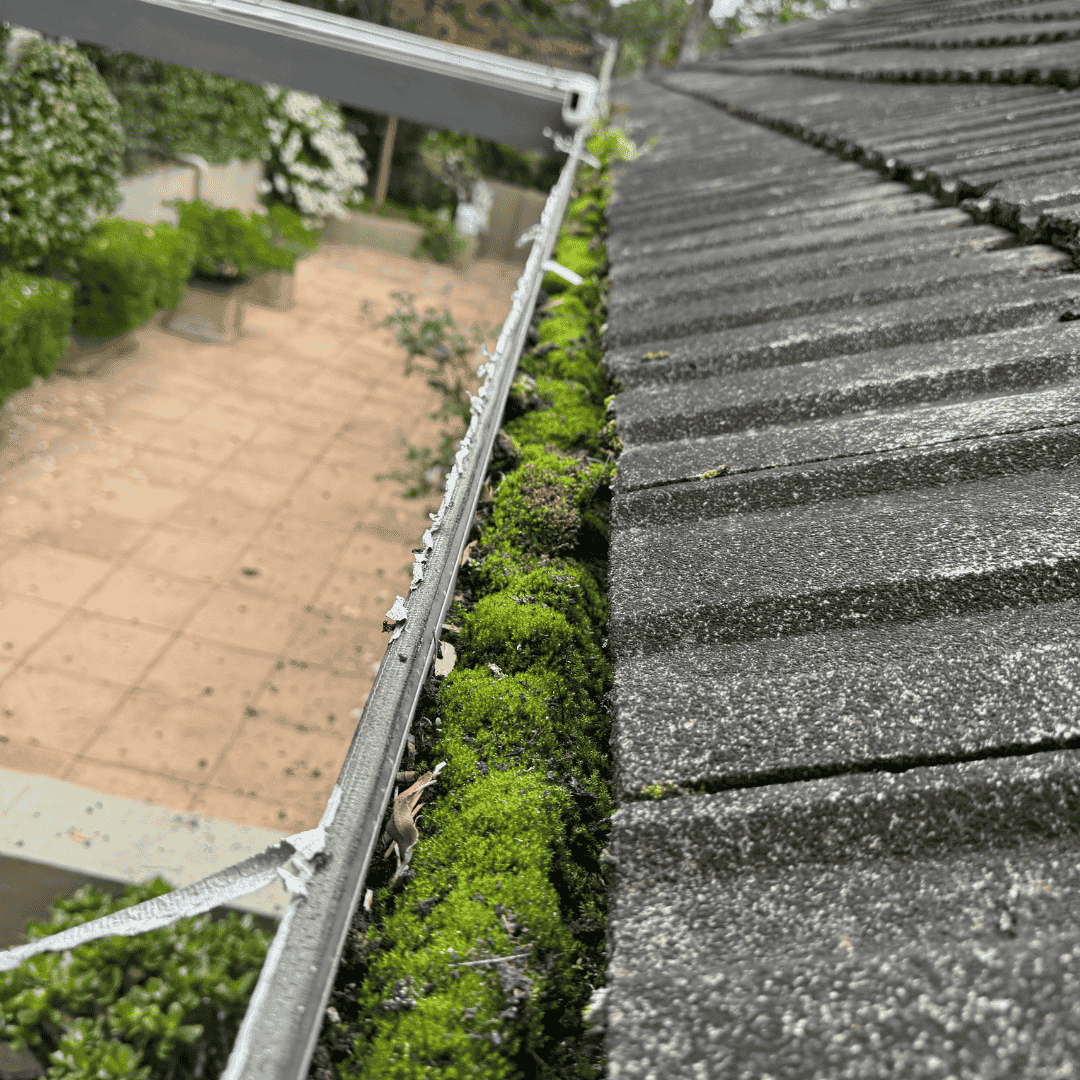
Plants grow in gutters when trapped leaves, dirt and moisture form soil-like debris where windblown or bird-carried seeds germinate and take root.
That fenomenon may look unusual, but they are a common warning sign for Sydney properties—especially homes surrounded by trees, gardens and active birdlife.
To explain why there are “plants in my gutters”, you must notice if there are leaves, twigs, roof dust and bird debris inside the gutter. When this material remains damp, it begins behaving like a small garden bed. Seeds settle into it, germinate and develop roots that bind the blockage together.
Disclaimer: We recommend trained and experienced professionals to practice the following activities. Working on a wet roof at height without proper equipment can be dangerous, and result to life-long damages. If you don’t have any experience with roof cleaning, please, contact a professional or someone that has knowledge in the area.
1. Where Do Gutter Plants Get Their Seeds?
Seeds reach gutters on the wind, fall from overhanging trees or are dropped by birds, then settle into damp organic debris and begin growing.
Lightweight seeds can travel considerable distances in the wind before landing on a roof. Other seeds fall directly from nearby branches or are carried by birds feeding, nesting or leaving droppings around the property.
Once inside the gutter, seeds can settle among:
- Leaves and small twigs
- Roof dust and windblown dirt
- Moss and decomposing material
- Bird droppings and nesting debris
- Standing water around restricted outlets
A gutter does not need to be completely blocked for germination to begin. A shallow layer of damp organic material can be enough for certain weeds and grasses to take root.
2. How Quickly Can Plants Grow in Gutters?
Plant growth has no fixed timeline; germination depends on seed type, debris depth, moisture, sunlight and how effectively the gutter drains.
Conditions matter more than a specific number of days. A thin layer of damp debris may support small seedlings following repeated rainfall, while grass and larger plants generally require more established material and continued moisture.
Drainage problems can accelerate the process. If the gutter has an incorrect slope or the downpipe outlet is restricted, water may remain long after the rain has stopped. This creates more favourable conditions for seeds and roots.
• What Does the Type of Gutter Growth Reveal?
Small weeds suggest recent growth; established grass or woody plants often indicate deeper debris, trapped moisture and an older gutter blockage.
The visible vegetation can offer a useful indication of what may be hidden underneath. This practical severity guide should be treated as an initial assessment rather than a substitute for inspecting the gutter.
| What You Can See | What It May Indicate | Recommended Response |
|---|---|---|
| Moss or isolated seedlings | A thin layer of damp dirt and recent germination | Arrange cleaning before the roots spread |
| Dense grass or several weeds | Deeper organic debris and restricted drainage | Inspect the gutter, outlets and downpipes promptly |
| Large weeds or woody shoots | A long-standing blockage with substantial root growth | Arrange professional cleaning and a gutter-condition check |
| Plants with sagging or overflow | Additional wet weight, blocked drainage or damaged brackets | Inspect the gutter, fascia, joints and downpipes |
3. What Damage Can “Plants in My Gutters” Cause?
Plants in gutters signal a developing blockage that can cause overflow, sagging, corrosion, fascia damage, roof leaks and pest activity.
Plant roots do not usually cause damage by simply touching a sound gutter. The greater problem is that roots bind leaves, dirt and other debris into a dense mass that traps moisture and restricts rainwater.
Possible consequences include:
- Water overflowing near walls, windows and doors
- Moisture entering beneath the eaves or into the roof cavity
- Blocked downpipes and stormwater drainage
- Sagging gutters, loose brackets or incorrect gutter fall
- Rust and corrosion in metal gutter sections
- Damp conditions that encourage mould, insects and mosquitoes
Dry leaves, twigs and dead vegetation can also add combustible material around the roofline. The NSW Rural Fire Service recommends clearing leaves and twigs from gutters as part of preparing a property for bushfire conditions.
4. Is It Safe to Remove Plants From Gutters Myself?
Removing gutter plants yourself may leave roots and compacted debris behind, while ladder and roof work can create serious fall hazards.
Homeowners can look for visible vegetation, sagging sections, fascia stains and overflow from ground level. However, pulling plants from a ladder or walking on the roof can expose you to slippery surfaces, fragile materials, steep pitches, solar panels, skylights and nearby powerlines.
Visible plant removal is also not the same as complete gutter cleaning. Roots may snap and remain inside, while compacted debris continues blocking the channel or downpipe outlet.
SafeWork NSW recommends working from ground level whenever possible and limiting ladders to simple access or short-duration work. High, steep or difficult roofs require suitable access equipment and fall-prevention measures.
5. Do Gutter Guards Stop Plants From Growing?
Quality gutter guards greatly reduce leaves, twigs and nesting debris entering gutters, lowering blockage risk and making ongoing maintenance easier.
When installed correctly, gutter guards reduce the organic material that creates soil-like conditions inside gutters. This makes it harder for seeds to settle, germinate and develop into established plants.
• How Can Gutter Guards Help?
Small weeds suggest recent growth; established grass or woody plants often indicate deeper debris, trapped moisture and an older gutter blockage.
The visible vegetation can offer a useful indication of what may be hidden underneath. This practical severity guide should be treated as an initial assessment rather than a substitute for inspecting the gutter.
- Reduce leaves, twigs and larger seeds entering gutters
- Limit the debris and moisture that support plant growth
- Lower the risk of gutter and downpipe blockages
- Help rainwater flow more freely during heavy rainfall
- Reduce opportunities for birds to place nesting material in gutters
- Make routine gutter maintenance quicker and more manageable
- Provide additional protection for homes surrounded by trees
- Help reduce dry leaf and twig accumulation around the roofline
• What Should You Keep In Mind?
Although gutter guards provide valuable protection, they do not make gutters completely maintenance-free. Fine debris may still accumulate, so periodic inspection and cleaning remain necessary.
Gutter guards are most effective when installed on clean, correctly aligned gutters with clear outlets and downpipes. Your next gutter cleaning or replacement is an ideal opportunity to assess the property and choose a guard suited to the roof, surrounding trees and local conditions.
Need Help With Removing Plants in Your Gutters?
Magic Gutter is ready to help you with with any weeds that are growing in your gutters. We are specialized in the gutter treatment area, and can prevent them from growing again with our gutter guarding, cleaning, and replacement knowledge.
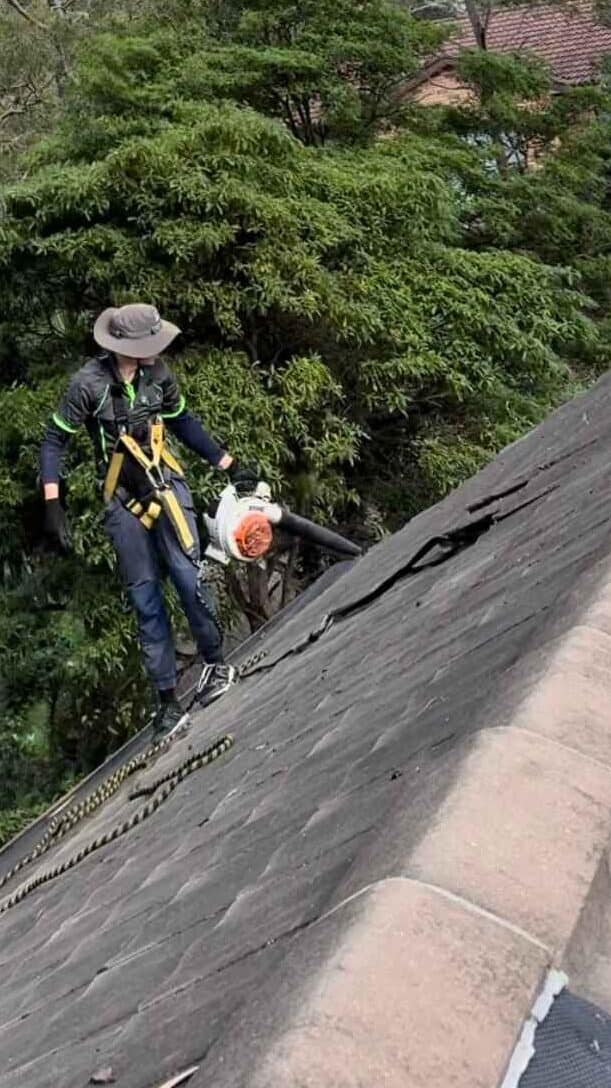
We provide a professional gutter cleaning for residential, commercial and strata properties across Greater Sydney. Our technicians use careful, non-abrasive methods and appropriate working-at-heights procedures to remove surface dirt, bird droppings and stubborn residue.
Expert roofing technician wearing full safety harness while performing gutter cleaning Sydney services on a steep residential roof, demonstrating safe work practices at height.
WHY HOME-OWNERS CHOOSE MAGIC GUTTER FOR GUTTER CLEANING & REPLACEMENT:
Fully Insured and Safety-Compliant
Gutter work requires proper training, safe access equipment and careful preparation. Our team follows strict WHS procedures throughout every project.
Gutter Cleaning and Replacement Specialists
From removing compacted debris and clearing downpipes to replacing leaking or damaged gutters, we provide complete guttering solutions.
Free and Transparent Onsite Quotes
We assess the condition of your gutter system and provide a clear, detailed quote with straightforward pricing and no hidden fees.
Premium Guttering Materials
Our replacement gutters, brackets and components are selected for durability and reliable performance in Sydney’s changing weather conditions.
Quality Workmanship You Can Trust
Every replacement is completed with careful attention to alignment, gutter fall, secure fixing and effective rainwater drainage.
Solutions for Properties Across Sydney
We service residential, commercial and strata properties throughout Sydney, from coastal suburbs to homes surrounded by heavy tree coverage.